
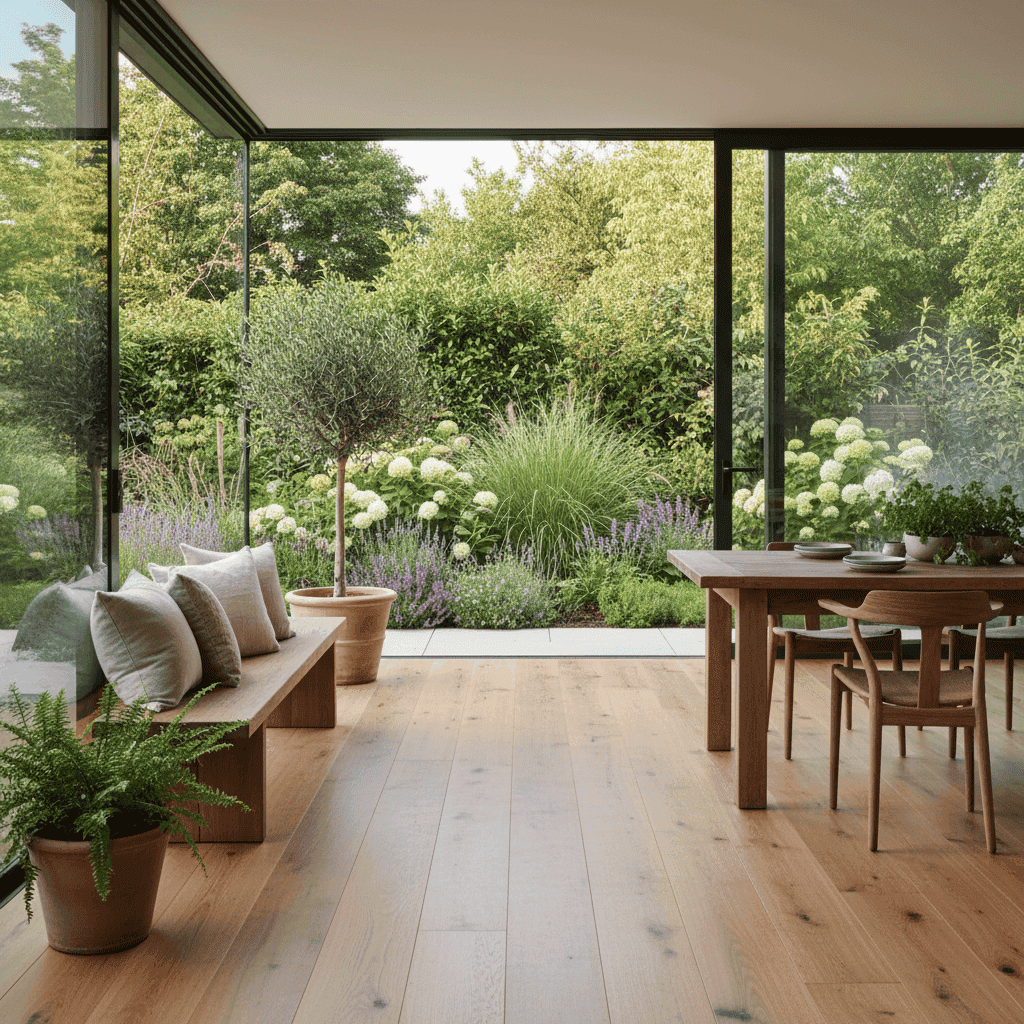
I have always believed that our homes should reflect the beauty and tranquility we find in nature. Integrating your garden with interior hardwood style is more than just a decorating trend. It is about creating a sense of flow and harmony between your living spaces and the natural world just outside your walls.
When you walk into a home where the outdoor garden feels like an extension of the indoor aesthetic, there is a distinct calm. The rich textures of hardwood floors can provide the perfect foundation for this kind of design. I find the warmth of wood naturally draws the eye and makes plants feel right at home inside.
This approach combines organic elements with elegant finishes. It gives your home a balanced look and feel. The goal is to make your indoor and outdoor areas talk to each other. They should share a similar story and style.
Harmonizing Indoor and Outdoor Spaces with Hardwood
The first step in integrating your garden with interior hardwood style is to understand how these two elements can visually connect. Hardwood floors offer a grounded, natural base. They often feature warm tones and organic grain patterns that echo the textures found in a garden. I see this as an immediate visual bridge.
Think about the sightlines from inside your home. If you have large windows or glass doors that look out onto your garden, the transition is already half complete. The wood floors inside can draw your gaze directly outside. This creates an illusion of a larger, unified space. We want the eye to move easily from one area to the next.
The materials you choose for your interior and exterior spaces play a big part. Hardwood inside feels natural and durable. So selecting garden features that also use natural materials helps this connection. Stone pathways, wooden pergolas, or even natural fiber outdoor rugs can all contribute to this feeling.
I focus on consistency in color and material families. If your hardwood floors are a rich oak, you might consider similar warm browns and greens in your plant choices and outdoor decor. This careful selection helps both areas feel like they belong together. It avoids jarring shifts in style and mood.
Creating Visual Pathways for Easy Flow
Visual pathways are important for a truly integrated design. I like to think about how light moves through the rooms and onto the garden. Can your eye follow a line from your living room floor, through a glass door, and into a garden path? This creates a strong sense of connection.
Strategic placement of outdoor planters near windows or doors can also help. These planters can mirror the style of your indoor pots. They can use plants that share similar colors or forms. This subtle echo enhances the feeling of continuity. It is like the plants are migrating freely between your spaces.
Selecting Plants to Complement Your Hardwood Floors
Choosing the right plants is essential when you want to integrate your garden with interior hardwood style. I always look for plants that offer contrasting textures or colors but still feel natural against the wood. A broad leaf fig or a tall snake plant can stand beautifully against the linear patterns of hardwood.
Consider the color palette of your hardwood. If you have light, airy maple floors, plants with deep green leaves or even a touch of variegation can add a refreshing contrast. For darker, richer hardwoods like walnut, I lean towards plants with lighter foliage or vibrant flowers. This creates a striking and inviting look.
We also need to think about the practical side. Not all plants are suitable for indoor environments, especially near valuable hardwood. I prioritize plants that thrive in indoor light conditions and do not require excessive watering. This minimizes the risk of water damage to your floors.
I find that larger plants in sturdy, well-draining pots are often the best choice for placement directly on hardwood. They make a statement without needing too many accessories. They also provide a significant natural element that works with the wood’s inherent beauty.
Best Indoor Plants for Hardwood Homes
Certain plants are wonderful companions for hardwood floors. I often recommend options that are low maintenance and forgiving. The ZZ plant is resilient and tolerates low light. A Pothos vine adds lush greenery and can trail beautifully from shelves. Fiddle leaf figs or Bird of Paradise plants create a dramatic vertical accent that complements tall ceilings and open spaces.
Succulents and cacti are also excellent choices, especially for sunny spots. They need very little water, so they pose less risk to your floors. Their unique shapes and textures can add a modern touch. They work well with clean-lined hardwood furniture.
Protecting Your Floors from Plant Care
Protecting your hardwood floors is a top priority when bringing plants indoors. I always use drip trays or saucers under every plant pot. Make sure these are large enough to catch any overflow and have a felt bottom to prevent scratches. I prefer ceramic or plastic saucers over metal ones, as metal can sometimes leave marks.
I also recommend lifting pots off the floor slightly with small risers or plant stands. This allows for air circulation and helps prevent moisture from getting trapped underneath. Always wipe up spills immediately. Regular checks for condensation are important to maintain your beautiful floors.
Design Principles for a Seamless Transition
Achieving a truly integrated garden with interior hardwood style depends on thoughtful design principles. My approach focuses on creating visual continuity. This makes the boundary between inside and outside almost disappear. It starts with analyzing your existing space and envisioning the connection.
I consider repeating elements from the garden inside. For example, if you have natural stone pavers outside, incorporate a similar stone texture in your indoor decor. This could be a stone planter or a small accent piece. It creates a subtle but powerful link.
The color palette is also a crucial factor. Stick to earthy tones and natural greens that exist in both environments. This helps everything feel harmonious. Avoid introducing colors indoors that clash sharply with your outdoor planting scheme. Soft blues and muted yellows can also work well, mimicking sky and sunlight.
Light plays a huge role in creating this transition. Maximize natural light indoors, perhaps with sheer curtains or by keeping windows unobstructed. Outdoor lighting can also extend the visual connection into the evening. Spotlights on key garden features can be seen from inside. This makes the garden feel closer even after dark.
When thinking about cohesive garden design tips, consider how plant groupings mirror interior arrangements. If you have a cluster of small potted plants on an indoor table, you might create a similar cluster of varied plants in an outdoor container. These small details build a larger picture of unity.
Incorporating Hardwood Tones in Garden Features
To truly integrate your garden with interior hardwood style, I like to bring some of those warm wood tones into the garden itself. This does not mean installing hardwood floors outdoors, but rather using materials that echo that aesthetic. Wooden decking is a classic choice. It creates an immediate extension of your indoor living space.
Pergolas or arbors made from rich, stained wood can frame a view from your home. They add a touch of structure that feels both natural and refined. I often suggest wooden garden benches or chairs that match the shade of interior hardwood. This helps tie the two spaces together visually.
Even small details count. Consider large wooden planters or raised garden beds constructed from timber. These can provide visual cues that connect directly to your indoor flooring. The goal is to make the garden feel like it is part of the same design story as your interior. It should not feel like an afterthought.
When selecting outdoor wood, make sure it is treated for weather resistance. This ensures longevity and maintains the desired aesthetic over time. Cedar, redwood, or pressure-treated pine are excellent options for outdoor structures. Their natural beauty can enhance the overall integrated feel.
Selecting Durable Outdoor Wood Elements
Durability is key for any outdoor wood element. I always advise choosing woods known for their resistance to rot, insects, and moisture. Teak is a premium choice. It ages beautifully to a silver-gray patina and lasts for decades. Ipe is another incredibly dense and durable option. It requires minimal maintenance.
For more budget-friendly options, consider pressure-treated lumber. This wood has been chemically treated to withstand outdoor conditions. Just ensure it is stained or painted to match your desired aesthetic. This treatment protects your investment and keeps your garden looking consistent with your hardwood interior.
Styling Tips for Bringing Nature Indoors
Once you have a good understanding of plant selection and outdoor connections, I move to styling the indoor space to reinforce the garden theme. This is where personal touches really shine. It helps to integrate your garden with interior hardwood style beautifully. I often begin by selecting planters that complement your existing decor.
Terracotta pots offer an earthy, rustic feel that pairs well with natural hardwoods. Ceramic pots in muted greens, blues, or grays can also enhance the natural vibe. Avoid overly ornate or brightly colored pots if your hardwood is a focal point. They might distract from the serene flow you are trying to create.
Placement of plants is just as important as the plants themselves. Create vignettes with varying heights. Use a tall plant in a corner, a medium-sized plant on a stand, and smaller plants on a coffee table. This layering adds depth and interest. It mimics the natural diversity found in a garden.
Lighting also plays a role. Position plants where they will receive adequate light. Also think about how they catch the sunlight. The way light filters through leaves can create beautiful shadows on your hardwood floors. It adds another layer of texture and warmth to the room.
We can also bring other natural elements inside. This means using woven baskets for storage, wool throws on sofas, or stone coasters. These small additions reinforce the natural theme. They make your home feel grounded and connected to the outdoors.
Accessorizing with Organic Elements
Accessories are the finishing touches that bring an integrated look to life. I like to scatter natural elements throughout the home. This means using decorative objects made from wood, clay, or rattan. A large driftwood sculpture on a console table can instantly evoke a connection to nature.
Botanical prints or artworks depicting landscapes can also reinforce the garden theme. Display fresh flowers or branches from your garden in simple vases. This keeps the connection alive and brings seasonal changes indoors. These elements make the space feel authentic and lived-in.
The Long-Term Benefits of This Design Approach
When you integrate your garden with interior hardwood style, you are not just making aesthetic choices. You are investing in a lifestyle that offers many long-term benefits. I have seen firsthand how this approach enhances daily living. It makes a house feel more like a home.
One major benefit is an improved sense of well-being. Studies show that exposure to nature reduces stress and boosts mood. By bringing elements of your garden indoors, you create a calming environment. This space helps you relax and recharge. The natural beauty of plants and wood floors contributes to a serene atmosphere.
This design also promotes sustainability. Choosing durable hardwood floors is an environmentally friendly option. It means less frequent replacement than other flooring types. Many indoor plants help purify the air. This improves your home’s air quality naturally. It creates a healthier living space for everyone.
Property value can also increase with a well-integrated design. Homes that offer a strong connection to nature and have beautiful, well-maintained hardwood floors are often more appealing to potential buyers. The cohesive look feels luxurious and thoughtful. This can set your home apart in the market.
Finally, a unified indoor and outdoor space creates more usable living areas. Your patio or deck feels less like a separate zone. It becomes an extension of your indoor rooms. This expands your functional space. It gives you more options for entertaining or simply enjoying your home.
Bringing Your Indoor and Outdoor Worlds Together
I have explored many ways to integrate your garden with interior hardwood style. This approach is all about creating a harmonious link between your living spaces and the beauty of the natural world. We looked at harmonizing indoor and outdoor spaces through careful material and color choices. I also shared how to select the right plants that complement your hardwood floors. Protection for those floors is always important when you welcome plants inside.
We discussed design principles that help create a seamless transition. This includes using visual pathways and repeating natural elements. Incorporating hardwood tones in your garden with features like durable wooden decks and planters enhances this connection. Finally, I offered styling tips for bringing nature indoors. These tips showed how accessories and plant placement can complete the look. The long-term benefits are clear. You gain improved well-being, a more sustainable home, increased property value, and expanded living areas. I believe that a well-designed home celebrates both its interior comfort and its exterior charm. Start small by adding a new plant in a complementary pot, or consider a larger project like connecting your patio to your living room with thoughtful design choices. Embrace the beauty of nature and let it inspire your home’s unique style.